
Lantos Foundation President Dr. Katrina Lantos Swett released the following statement today:
Victor Orbán served as Prime Minister of Hungary for a total of 20 years over the past three decades (1998-2002, 2010-2026), and for the last 16 years straight. Many observers wondered whether Hungary's democracy could survive not only such a long and dominant tenure but also the model of “illiberal democracy” that Mr. Orbán introduced – a model that some have classified not as democratic but rather as “hybrid authoritarian.” Sunday's election results and the victory of Péter Magyar and the Tisza party provide a resounding answer to this question: Democracy is yet alive in Hungary.
As I reflect on yesterday’s election results, I believe my late father Congressman Tom Lantos would be cheering for Hungary and for the opportunity it now has to return fully to the path of democracy, which he and many others worked tirelessly to set it on after the Iron Curtain fell. Tom Lantos was one of the most prominent Hungarian-born Americans to serve in the U.S. Congress, and the only Holocaust survivor to do so. His unique experience as the sole American representative to have personally lived under both Nazi fascism and Soviet communism fueled his passionate patriotism for the United States of America. He appreciated better than most what a precious boon our remarkable and resilient democracy is. He also believed that his native country, for which he always retained a deep love, belonged in the community of democratic nations. There has been cause for concern at the direction Hungary has taken in recent years – both turning eastward toward Russia and China and in terms of changes to its constitutional system – but there is hope that today marks a turn in a better direction.
The victorious Péter Magyar, who is expected to become prime minister, now has an opportunity to course correct. To his credit, Mr. Orbán congratulated Mr. Magyar less than three hours after the polls closed, and he was honest with his supporters in saying, “The election result is painful for us but clear.”
This is as it should be. Free elections are one of the most important hallmarks of a true democracy, as is the peaceful transfer of power between political adversaries. Hungary appears to have succeeded on both counts, which bodes well for the future of its democracy. Not only Hungarians, but all lovers of freedom can breathe a sigh of relief. Now comes the hard work of strengthening Hungary's democratic institutions that have faced challenges in recent years.
We must all wait to see what the future holds for Hungary. Mr. Magyar’s Tisza party now enjoys a super-majority in the Parliament. It has been described as center-right and may well continue some of the Fidesz policies instituted under Orbán. However, there is hope that it will also work to roll back some of the political changes that have undermined electoral competition and diminished the independence of the judiciary. Much remains uncertain, but what we can all celebrate today is that the future of Hungary seems to be in the hands of the Hungarian people, where it rightfully belongs.
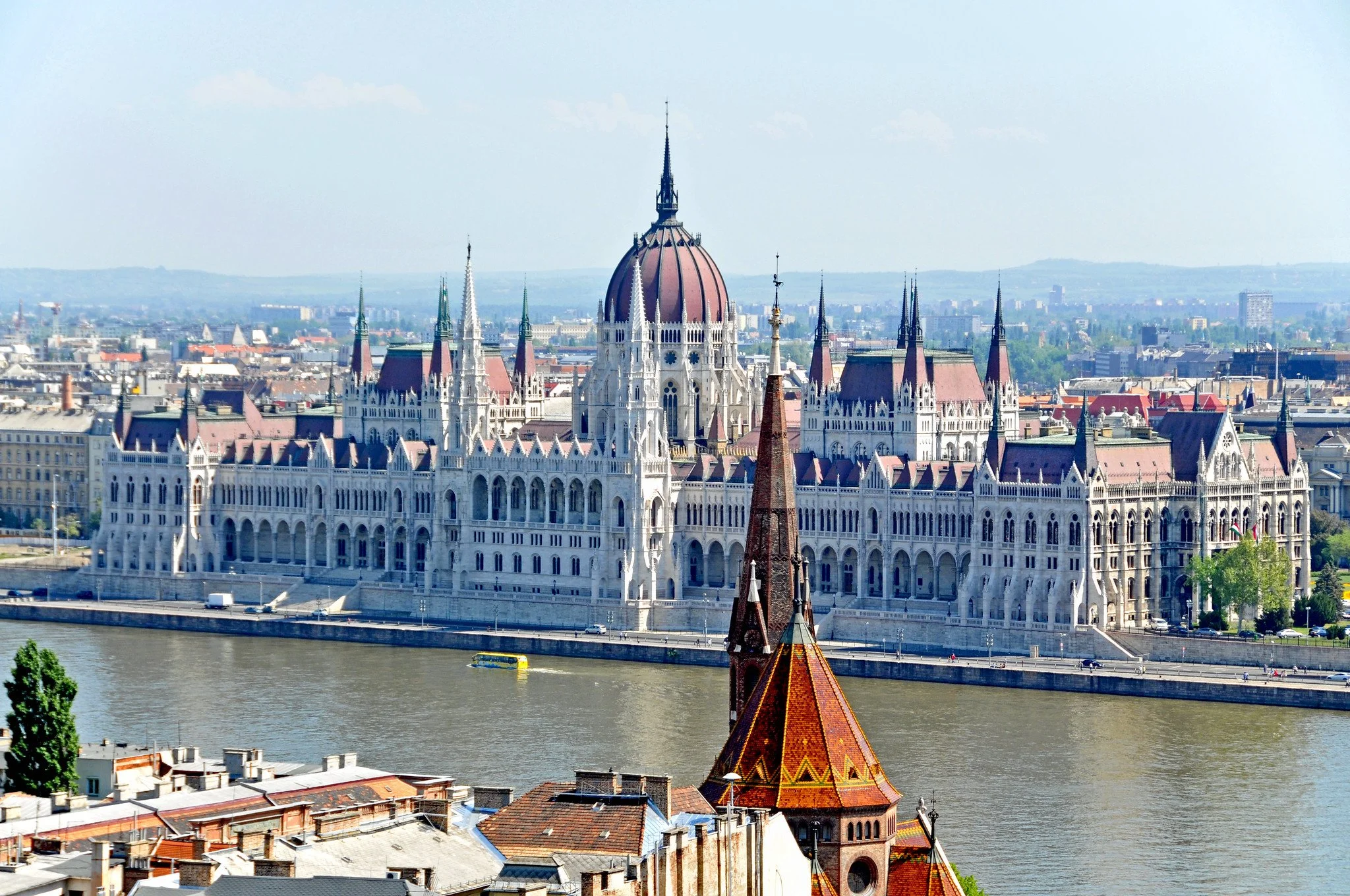
The Hungarian Parliament in Budapest (Credit: Dennis Jarvis - Creative Commons license)